Pests can create a variety of problems for homeowners, ranging from minor inconveniences to significant property damage and sanitation concerns. Insects, rodents, and other unwanted visitors may enter buildings in search of food, water, shelter, or suitable nesting locations. Once established, certain pests can multiply quickly, contaminate surfaces, damage building materials, and become difficult to manage without professional assistance. A dependable pest control service can help property owners identify pest activity, address existing infestations, and reduce conditions that encourage future problems. Professional pest management involves more than applying treatments when insects or rodents become visible. It includes inspections, identification, prevention, monitoring, and recommendations tailored to the property. Understanding the essential services pest management professionals commonly provide can help homeowners recognize when assistance is needed and make informed decisions about protecting their living spaces.
1. Conducting Comprehensive Pest Inspections
A thorough property inspection is often the first step in developing an effective pest management plan. Pest activity may occur in areas that homeowners rarely examine, including attics, crawl spaces, basements, wall openings, and spaces beneath appliances. Professionals look for evidence such as droppings, damaged materials, nesting activity, insect remains, and possible entry points. They may also evaluate moisture conditions, landscaping, and structural features that could make the property more attractive to pests.
During an inspection, technicians assess both visible problems and conditions that could contribute to future infestations. Their findings help determine which areas require attention and whether additional investigation is necessary. A professional pest control service can use this information to recommend appropriate treatments and preventive measures. Inspections are especially useful when homeowners notice unexplained noises, unusual odors, damaged wood, or recurring insect activity but cannot determine the source of the problem.
2. Treating Active Insect Infestations
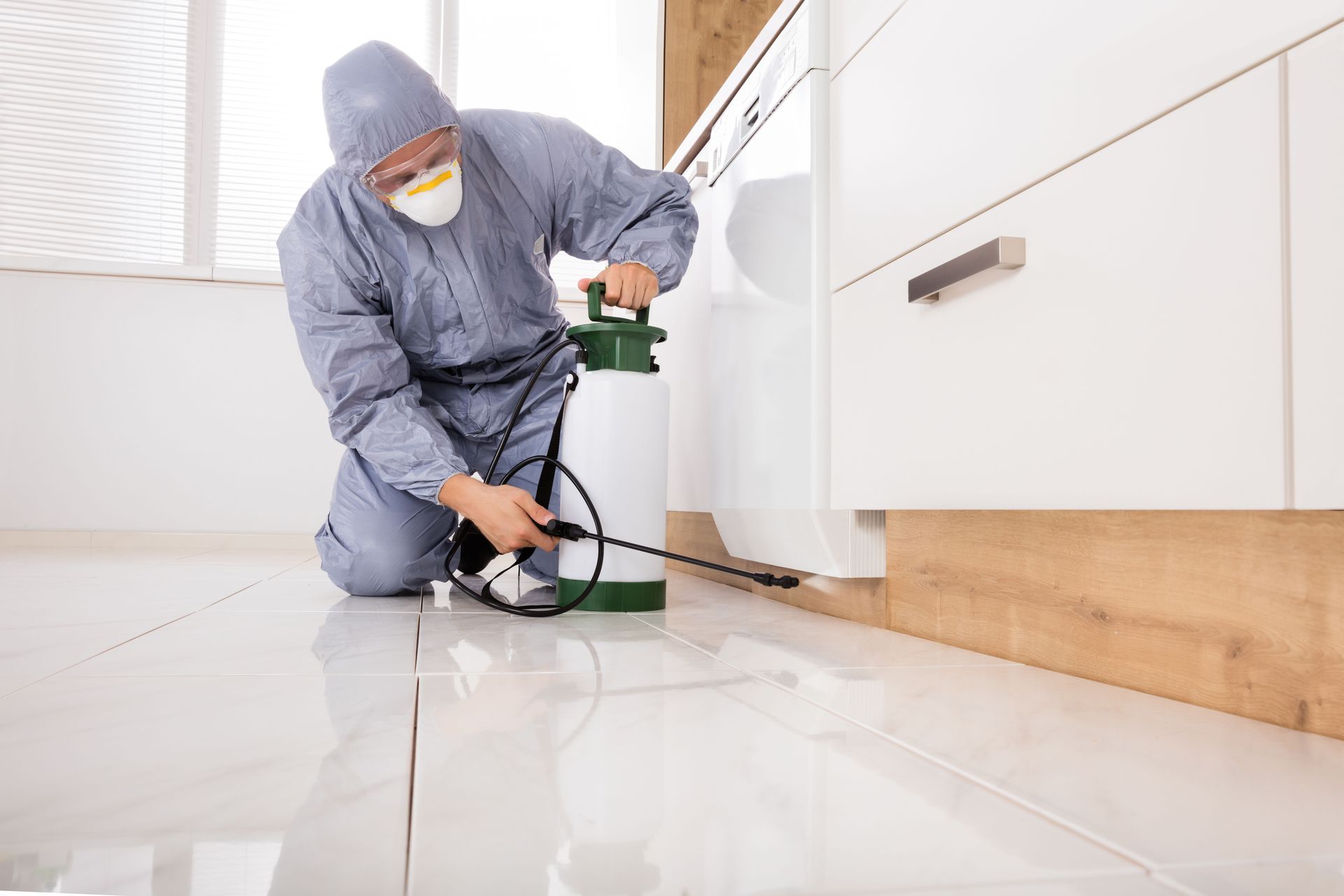
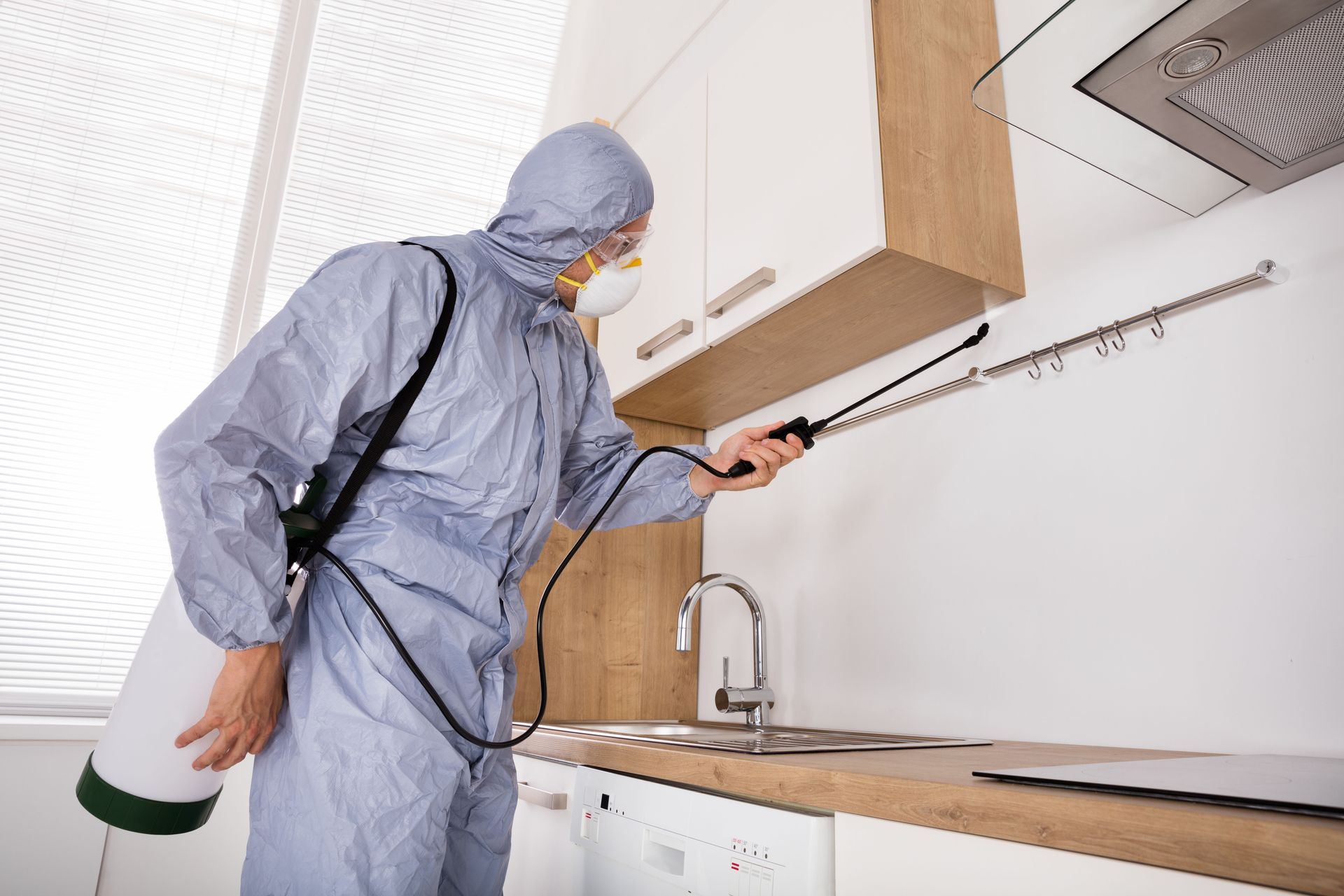
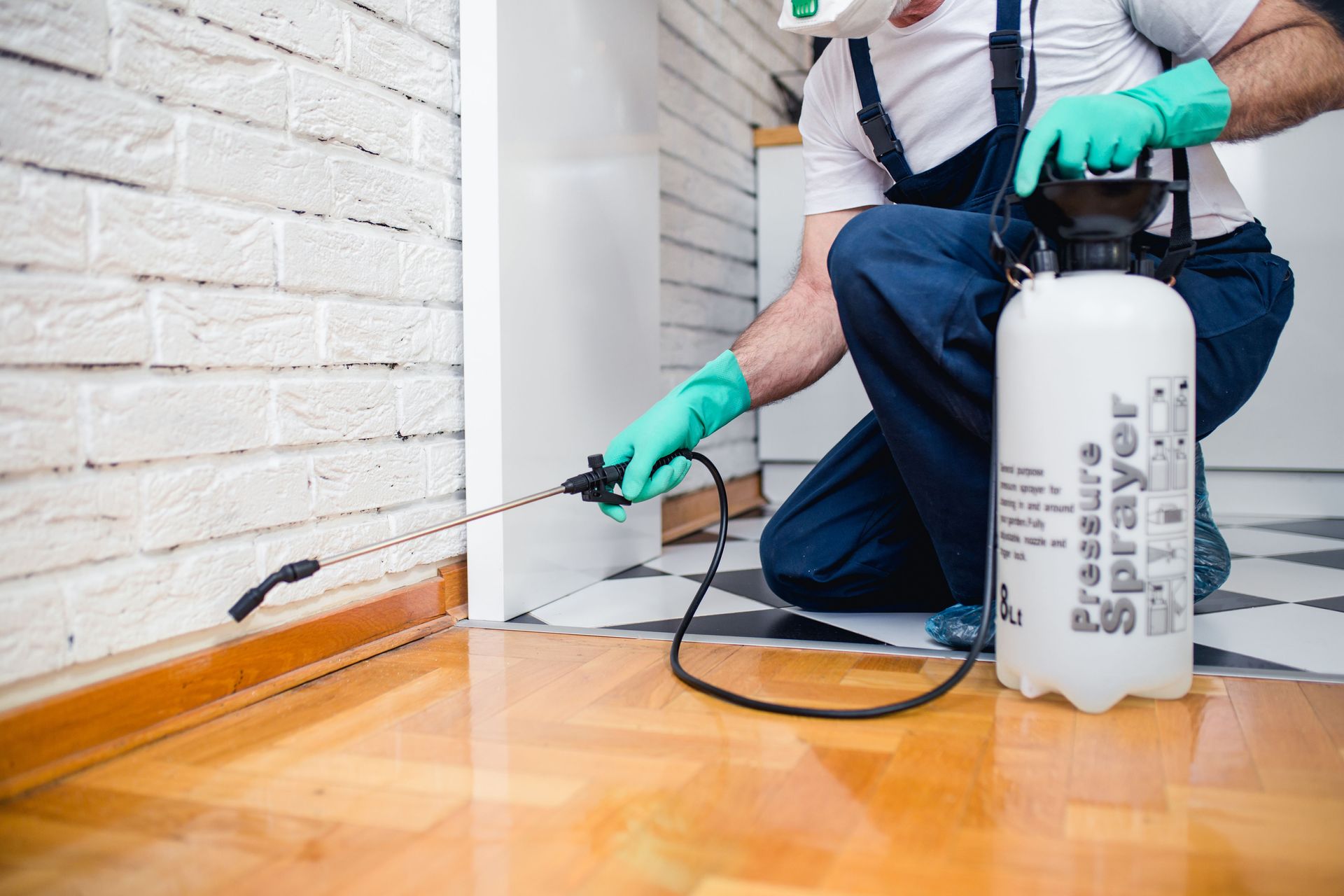
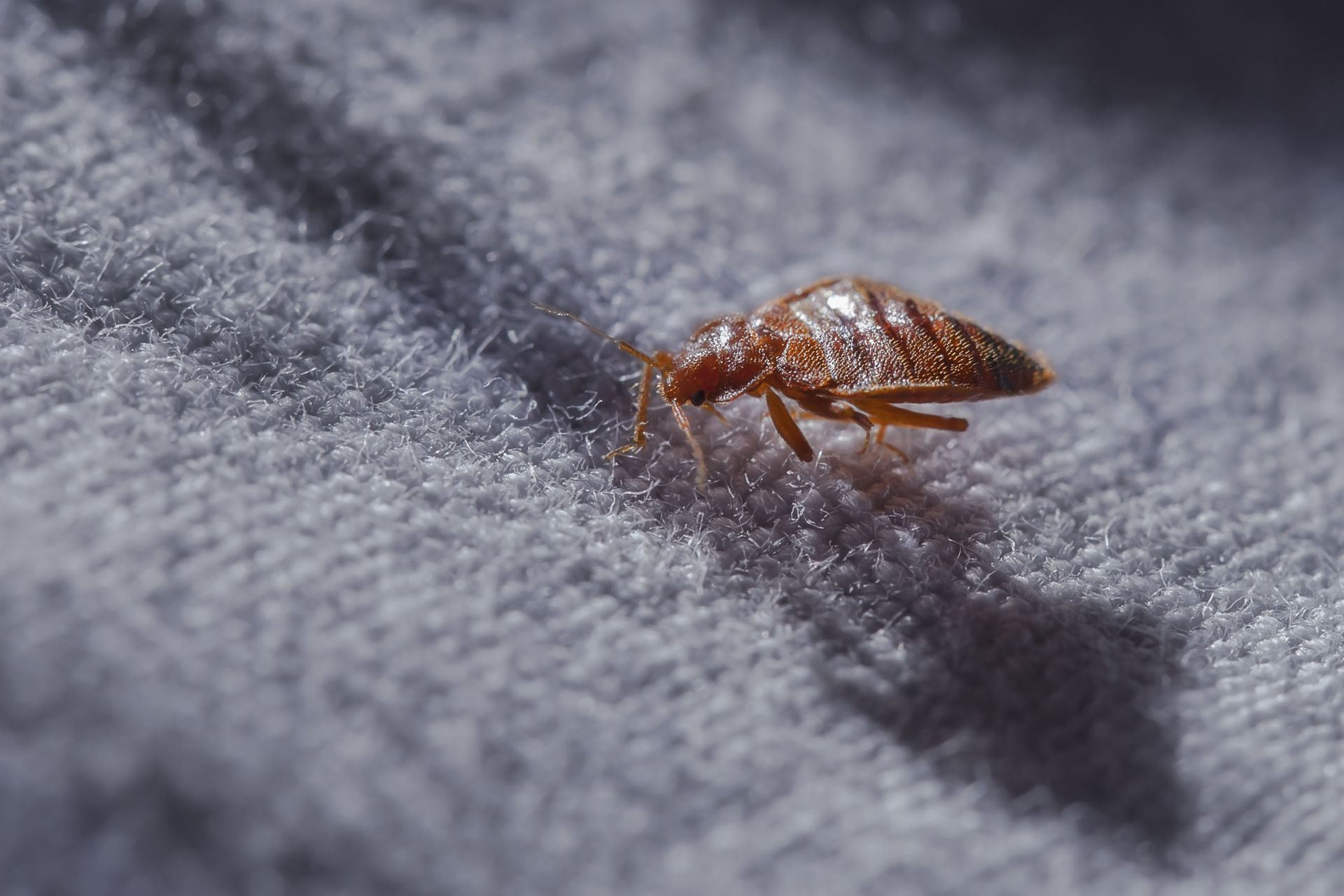
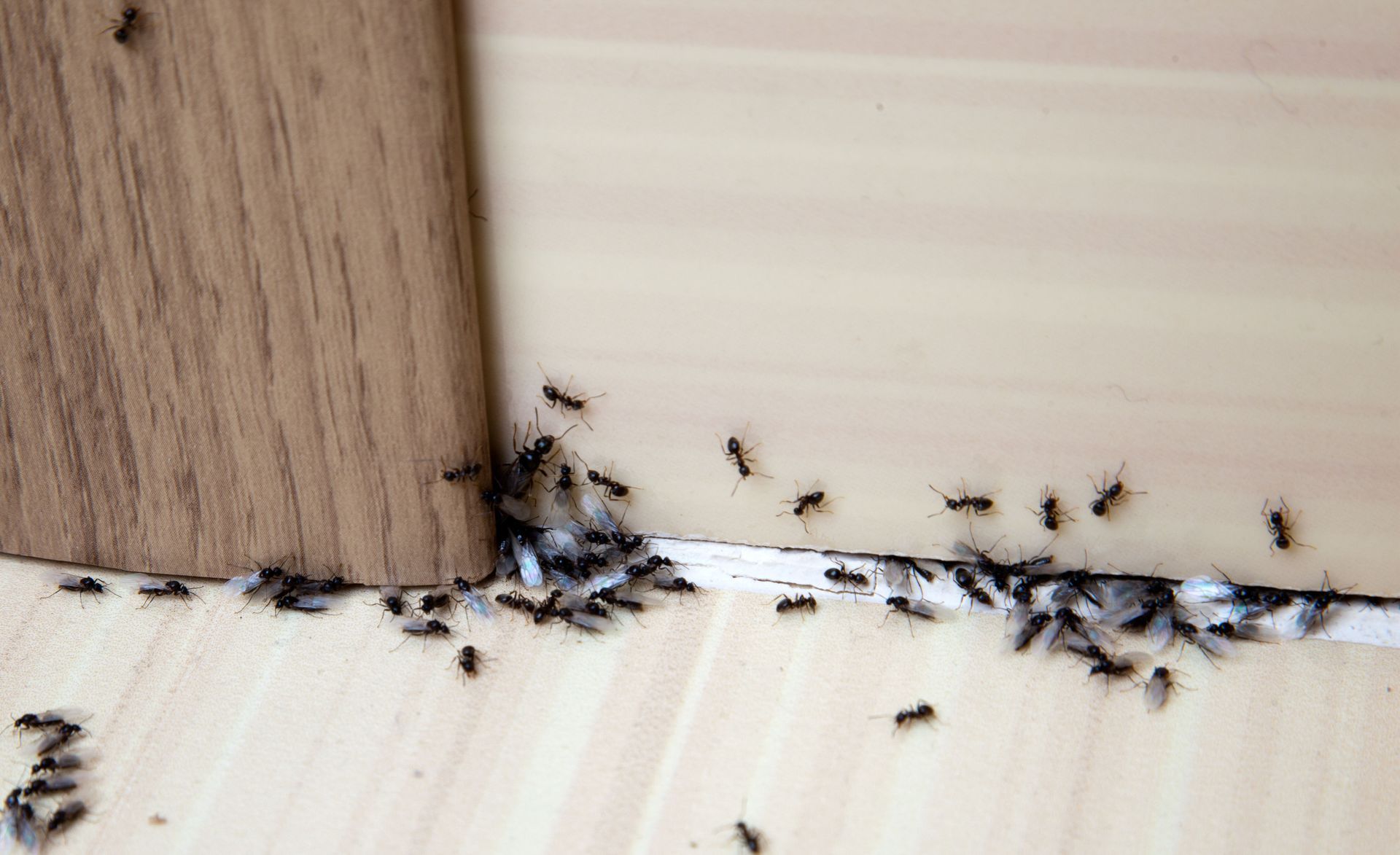
When insects establish themselves inside a property, targeted treatment may be necessary to reduce or eliminate the infestation. Common household pests can occupy kitchens, bathrooms, storage areas, bedrooms, and other spaces where food, moisture, or shelter is available. The appropriate treatment depends on the pest species, infestation severity, affected areas, and property conditions. Some situations may require baiting, targeted product applications, trapping, or a combination of management techniques.
A qualified pest control service can develop a treatment strategy based on inspection findings rather than relying on a single approach for every infestation. Technicians should explain which areas require attention, what preparation may be necessary, and whether follow-up visits are recommended. Homeowners may also receive instructions for protecting food, managing clutter, or limiting access to treated spaces when applicable. Following professional recommendations can improve treatment effectiveness and help reduce the likelihood of recurring activity.
3. Managing Rodent Activity and Entry Points
Mice and rats can enter homes through surprisingly small openings around foundations, utility penetrations, vents, doors, and other structural gaps. Once inside, they may nest in insulation, storage spaces, or concealed wall cavities. Rodents can damage wiring, contaminate stored materials, and leave droppings in areas used by household members. Scratching sounds, gnaw marks, and disturbed food packaging may indicate that rodents are active somewhere within the building.
Rodent management often involves identifying entry locations, evaluating nesting areas, and selecting appropriate trapping or control methods. Professionals may also recommend sealing accessible openings and correcting conditions that provide food or shelter. These preventive measures are important because removing existing rodents without addressing entry points may allow new animals to enter. Homeowners can support control efforts by securing food containers, reducing clutter, and maintaining outdoor areas where rodents might find nesting opportunities.
4. Addressing Termite Damage and Activity
Termites deserve particular attention because certain species feed on wood and other cellulose-containing materials. Their activity may remain concealed within walls, flooring, or structural components for extended periods. Warning signs can include mud tubes, damaged wood, discarded wings, or changes in the appearance of wooden surfaces. However, termite infestations are not always obvious, making professional evaluation important when suspicious conditions appear.
A pest control service that provides termite management may inspect vulnerable areas, identify signs of activity, and recommend treatment options appropriate for the property. Depending on the situation, available methods may include bait systems, soil treatments, or targeted applications. Technicians can also discuss moisture problems and wood-to-soil contact that may contribute to termite concerns. Because treatment needs vary by species and building conditions, professional recommendations should be based on the specific circumstances rather than assumptions about the infestation.
5. Implementing Preventive Pest Management
Preventing pest problems is often easier than responding after an infestation becomes established. Many pests are attracted to accessible food, standing water, excess moisture, and sheltered spaces. Cracks around windows, gaps beneath doors, damaged screens, and openings near utility lines can provide convenient entry routes. Outdoor conditions, including overgrown vegetation, accumulated debris, and improperly stored materials, may also increase opportunities for pests to approach a building.
Preventive management focuses on reducing these favorable conditions. Professionals may recommend improving sanitation, correcting moisture problems, sealing entry points, and adjusting landscaping practices. According to Consumer Affairs, over 31,000 pest control companies are operating today, providing employment for 167,232 pest management professionals. This sizable industry reflects the widespread demand for professional pest management. Homeowners can benefit from understanding how everyday maintenance practices complement professional recommendations and help create an environment that is less inviting to unwanted pests.
6. Monitoring Recurring Pest Problems
Some pest issues require continued observation because activity may return after the initial treatment. Seasonal weather changes, nearby construction, landscaping conditions, and access to food or moisture can influence pest behavior. Properties with a history of infestations may benefit from periodic evaluations to identify new activity before it becomes extensive. Monitoring can also help determine whether previous treatment measures are working as intended.
A professional pest control service may offer follow-up inspections, monitoring devices, or scheduled maintenance visits based on the property's needs. During these appointments, technicians can assess pest activity, review previous problem areas, and recommend adjustments when necessary. Homeowners should communicate any new sightings, unusual noises, or signs of damage between visits. Keeping records of recurring concerns can help professionals recognize patterns and make more informed decisions about future management strategies.
7. Providing Property-Specific Pest Recommendations
Every property has characteristics that influence its exposure to pests. Older homes may have structural gaps or aging materials, while newer properties can experience problems related to landscaping, construction conditions, or nearby development. Homes with basements, crawl spaces, attached garages, or extensive outdoor vegetation may require different preventive approaches. Household routines, storage practices, and moisture conditions can also affect which pests are most likely to become established.
A dependable pest control service should consider these factors when recommending management strategies. Rather than relying exclusively on routine applications, technicians can explain which property conditions deserve attention and how homeowners can help reduce pest activity. Recommendations may include repairing screens, improving drainage, organizing storage areas, or addressing openings around plumbing penetrations. Personalized guidance can help homeowners prioritize practical improvements and understand how their maintenance decisions contribute to long-term pest prevention.
Professional pest management includes several important services that work together to protect residential properties. Thorough inspections, accurate pest identification, targeted treatments, rodent management, termite evaluations, preventive recommendations, and ongoing monitoring can all contribute to a more effective approach. Because pest behavior and property conditions vary, homeowners benefit from solutions that address the underlying causes of infestations rather than focusing only on visible activity. Seeking assistance when warning signs first appear may help reduce property damage, sanitation concerns, and repeated infestations. Whether you are dealing with an existing problem or want to strengthen your property's defenses, working with an experienced pest control service can help you make informed decisions about maintaining a more comfortable living environment. For professional pest management assistance, contact Apex Termite & Pest Control.


Share On: